In today’s digital world, a fast and stable internet connection is no longer optional—it is essential. From remote work and online learning to streaming and gaming, everything depends on reliable connectivity. However, not all broadband connections are the same. The two most common types are standard broadband and fibre broadband, and the difference between them is more significant than many people realize.
Standard broadband typically runs on older copper telephone lines, which limits speed and performance. Fibre broadband, on the other hand, uses advanced fibre-optic cables that transmit data much faster and more efficiently. This fundamental difference impacts speed, reliability, and overall user experience.Providers like YouFibre focus on delivering full fibre broadband, which replaces traditional copper-based infrastructure with direct fibre connections to homes.
What Is Standard Broadband?
Standard broadband, also known as ADSL, is the traditional form of internet connection. It works by transmitting data through copper telephone lines from the exchange to your home. While it is widely available and often cheaper, it comes with clear limitations.
Speeds are generally lower, and performance can vary depending on how far you are from the exchange. The further the distance, the weaker and slower the connection becomes. This can lead to buffering during streaming, slower downloads, and lag during online gaming. Although it still works for basic browsing and emails, standard broadband is gradually becoming outdated as internet usage demands continue to grow.

What Makes Fibre Broadband Different?
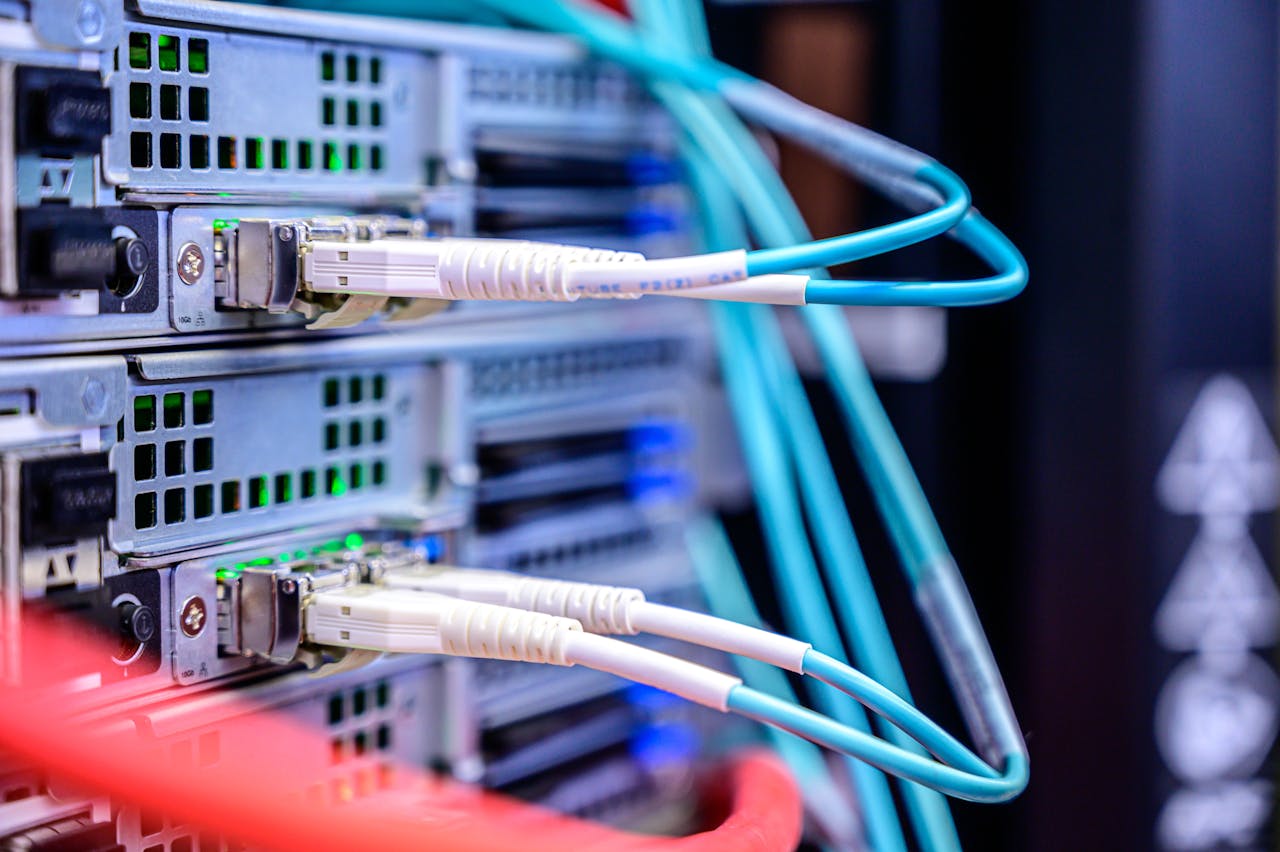
Fibre broadband is a much more advanced technology. Instead of relying heavily on copper wires, it uses fibre-optic cables that transmit data using light signals. This allows for significantly faster and more stable internet performance.
There are two main types of fibre broadband:
- Part-fibre (FTTC) – Fibre runs to the street cabinet, then copper cables connect to your home
- Full fibre broadband (FTTP) – Fibre runs directly into your home with no copper involved
Among these, full fibre broadband is the fastest and most reliable option available today. It delivers consistent speeds regardless of distance from the exchange.
Providers like YouFibre focus entirely on delivering full fibre connections, offering high-speed internet designed for modern households.

Source: Pexels
Speed Comparison: A Clear Winner
When it comes to speed, the difference is dramatic. Standard broadband usually delivers speeds between 10 Mbps and 80 Mbps depending on line quality and distance. Fibre broadband, especially full fibre, can deliver speeds starting from 100 Mbps and going beyond 1 Gbps.
This means tasks like downloading large files, streaming 4K videos, and video conferencing become much smoother with fibre broadband. Even multiple users can connect at the same time without experiencing slowdowns. With providers like YouFibre, users can access ultra-fast speeds that support heavy internet usage across multiple devices at once.
Reliability and Stability Matter More Than Ever
Fibre broadband is much more stable because fibre-optic cables are not affected by electrical interference or distance limitations. This results in fewer dropouts and a more consistent connection. This reliability makes fibre broadband ideal for remote workers, gamers, and families who rely heavily on uninterrupted internet access throughout the day.
Do You Need a Signal Booster?
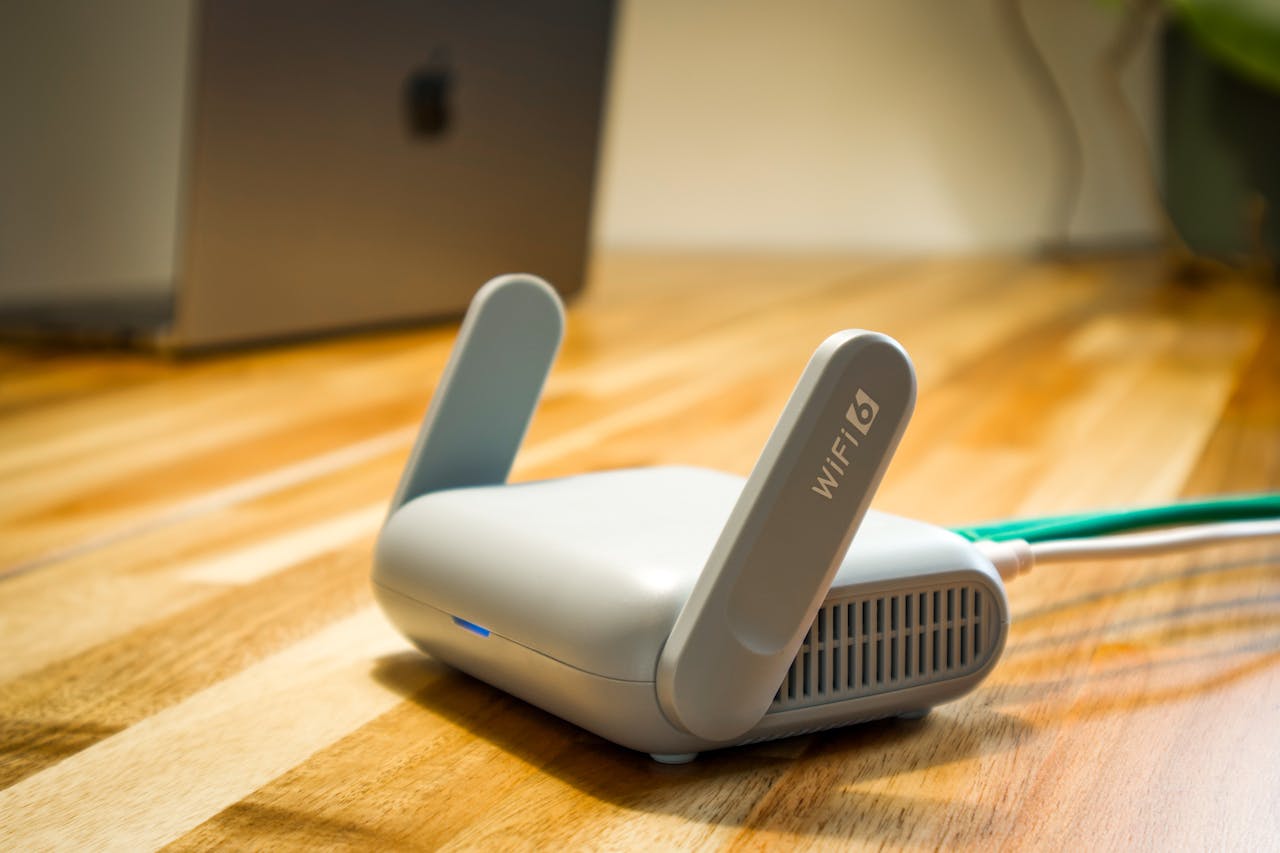
In some homes, Wi-Fi coverage may still feel weak even with good broadband speeds. This is where a signal booster becomes useful. A signal booster helps extend Wi-Fi coverage across larger homes or areas with thick walls that block signals.
However, it is important to note that a signal booster improves Wi-Fi coverage inside the home—it does not increase the actual broadband speed coming into the property. If the internet line itself is slow, a booster will not solve that issue. Fibre broadband reduces the need for such solutions because it provides stronger and more consistent base speeds to begin with.
Source: Pexels
Value for Money and Best Broadband Deals
Many people assume fibre broadband is expensive, but that is no longer true. In fact, in many regions, fibre packages are becoming more affordable and competitive than ever before.
Today, customers can choose from a variety of best broadband deals depending on their usage needs—whether for light browsing, streaming, or heavy gaming. Full fibre packages often provide better long-term value because they offer higher speeds, fewer issues, and future-ready performance. Companies like YouFibre are helping make full fibre more accessible by offering flexible plans designed for different household sizes and internet usage levels.
Which One Should You Choose?
The choice between standard and fibre broadband depends on your usage. If you only use the internet for basic tasks like emails and browsing, standard broadband may still work. However, for most modern households, fibre broadband is the better option.
Here’s a simple breakdown:
- Light usage → Standard broadband may be enough
- Streaming, gaming, remote work → Fibre broadband is better
- Heavy multi-device households → Full fibre broadband is ideal
Source: Pexels
Final Verdict: Fibre Broadband Is the Future
The internet has become the backbone of modern life, and the demand for speed and reliability continues to grow. Standard broadband is slowly becoming outdated, while fibre broadband is shaping the future of connectivity.
With faster speeds, stronger stability, and better long-term performance, fibre broadband clearly stands out as the superior choice. As technology continues to evolve, full fibre networks will become the new standard for homes and businesses alike.